
New Subletting Fee Proposals in Swedish Housing Cooperatives
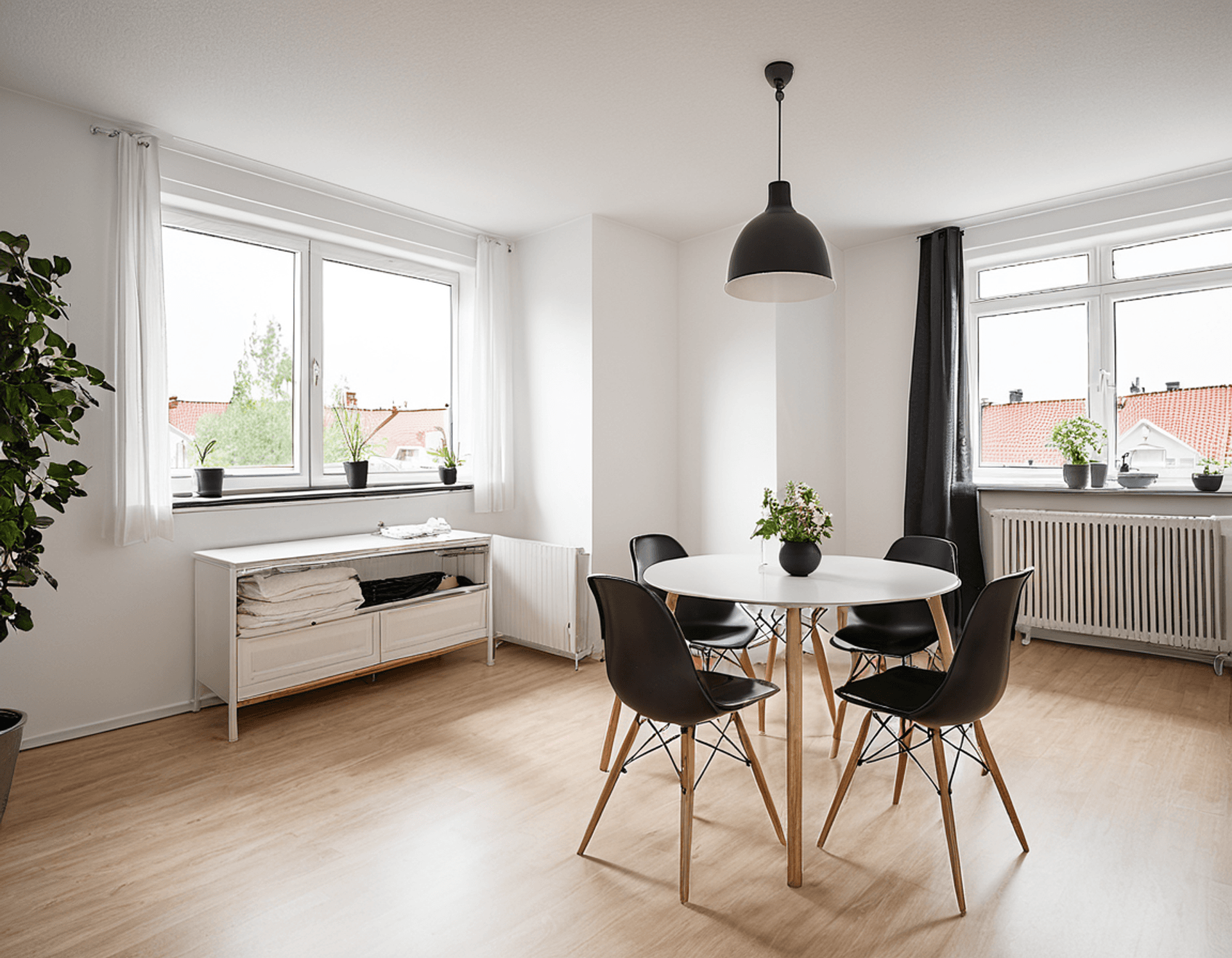
The debate surrounding property rights and collective governance within Swedish housing cooperatives (bostadsrättsföreningar) has reached a new fever pitch this spring. As the economic landscape in 2026 continues to fluctuate, many homeowners are looking for ways to mitigate rising costs associated with monthly fees (avgifter). A recent discussion sparked by reports in *Dagens Ny and other major Swedish outlets suggests that housing cooperatives should be allowed to charge higher administrative or usage-based fees when a member chooses to sublet their apartment.
For the expat community living in Sweden, understanding the nuances of "bostadsrätt" is crucial. Unlike owning a house outright (villa), you own the right to use a specific apartment within a larger association that owns the building itself. This collective ownership model brings with it strict rules regarding subletting (andrahandsuthyrning). The current proposal aims to shift the power dynamic, allowing boards more financial leverage when managing long-term or high-frequency renters. At bostadsmerit.se, we track these legislative and social shifts closely to ensure you stay informed about how your housing rights might change in the coming months.
The Economic Drivers Behind Subletting Fees
The core of the argument for increasing fees during subletting periods is rooted in financial stability for the association (föreningen). When an owner moves out and rents their unit to a third party, it often changes the-usage pattern of the building's common areas. While most residents follow standard protocols, frequent turnover can lead to increased wear and tear on elevators, hallways, and shared laundry facilities (tvättstugor).
Balancing Individual Rights with Collective Costs
Proponents of higher subletting fees argue that these funds should be directed back into the association's maintenance fund. In a Swedish bostadsrättsförening, every member is responsible for the long-term upkeep of the structure. If an owner decides to treat their apartment as a rental business, some believe they should contribute more significantly to the "hidden" costs of high turnover. This isn't just about profit; it’s about ensuring that those who are not renting out apartments aren't subsidizing the extra maintenance required by professional sub-letters.
The Impact on Association Budgets
In 2026, many Swedish associations are facing rising electricity and heating costs due to global energy market volatility. A larger "subletting fee" could provide a much-needed cushion for boards when planning major renovations like roof repairs or facade cleaning (stambyte). By allowing the board more flexibility in charging these fees, the association can build reserves without immediately raising the monthly avgift for all permanent residents.
Addressing Wear and Tear
Legal Frameworks and Board Authority
In Sweden, the laws governing housing cooperatives are quite specific. The Bostadsrättslagen (the Housing Cooperative Act) provides the framework for what can be permitted or prohibited within an association. Currently, getting permission to sublet requires "valid reasons" (skäl) such as temporary work abroad or medical issues. However, recent debates suggest that boards should have more autonomy over the financial terms of these permissions.
The Role of the Board (Styrelsen)
The board is responsible for managing the association's affairs and ensuring all members follow the bylaws (stadgar). Currently, if a member provides a valid reason to sublet, denying permission can be legally difficult unless it violates specific rules in the stadgar. If new regulations allow for higher fees, the power of the styrelse would increase significantly. They could potentially implement tiered fee structures based on how long an apartment is being rented out or even use these funds as a deterrent against unauthorized subletting attempts.
Negotiating with Member Bylaws
Every association has its own unique set of rules recorded in their bylaws. For expats, it is vital to read the stadgar carefully before purchasing property. If the proposal for increased fees gains traction through legislative changes or widespread adoption via new-model bylaws, current owners might find themselves subject to different financial obligations than they originally anticipated. This shift would represent a major change in how "property rights" are interpreted within Swedish communal living.
Potential Legal Challenges
The Socio-Economic Context: Renters vs. Owners
The discussion about subletting does not exist in a vacuum; it is part of a larger conversation regarding rental rights and tenant protections across Sweden. While this specific debate focuses on bovadsrätt owners, the broader sentiment reflects a growing tension between different classes of residents—those who own their homes (or the right to use them) and those who rent traditionally (hyresrätter).
The Tenant Union Perspective
Recent commentary in Swedish media has highlighted significant frustrations within the rental market. For instance, recent op-eds have criticized organizations like Hyresgästföreningen for not being aggressive enough in protecting tenants against annual rent hikes or "frozen" rents that don't actually benefit the resident. This atmosphere of distrust between residents and larger governing bodies often spills over into housing cooperatives discussions regarding subletting fees and administrative control.
Preventing Professional Sub-letting
One major motivation behind allowing higher fees is to combat what many call "professional sub-letters." These are individuals who buy apartments in popular areas (like Stockholm, Gothenburg, or Malmö) with the sole intention of renting them out at a profit through platforms like Airbnb. By increasing the cost associated with subletting, Swedish associations hope to protect their residential character and prevent neighborhoods from turning into de facto hotels, which can drive up local prices for everyone else.
Impact on Expat Mobility
For expats moving to Sweden, this debate is particularly relevant because many initially enter the market through sub-letting arrangements while they search for a permanent home or wait for "queue time" in rental systems. If associations begin charging much higher fees for subletting, it could become more expensive—and thus less accessible—for newcomers to secure short-to-medium term housing within established residential communities like those found near major tech hubs or industrial centers.
Managing Property Value and Investment Risks
When considering the purchase of a bostadsrätt, one must look beyond the sticker price. The financial health of the association is perhaps the most significant factor in long-term property value. If an association has high turnover but low revenue from subletting fees, they may struggle to fund essential repairs, leading to "hidden" costs for owners through sudden fee increases later on.
Evaluating Association Financials
Before buying into a Swedish cooperative, it is standard practice to review the årsredovisning (annual report). This document reveals how much debt the association has and what their current maintenance plan looks like. If you see an association that allows frequent subletting but lacks a robust reserve fund (buffert), this could be a red flag. The new proposal for higher fees might actually make some associations more attractive by providing them with extra revenue streams to manage these risks.
Risks of Over-Regulation
On the fliprypt, if boards become too aggressive in charging high subletting fees or making it difficult to rent out units, property liquidity could decrease. If an owner knows they cannot easily rent their apartment during a period of personal transition (e.g., moving for work), they might be less willing to invest in that specific association. This creates a risk where the "best" associations become exclusive enclaves with high barriers to entry, potentially impacting the broader Swedish housing market's health and diversity.
The Role of Bofrid in Property Research
Navigating these complexities requires access to reliable data. At Bofrid, we emphasize that understanding the underlying mechanics of your building—such as its subletting policy and fee structure—is just as important as checking the square footage. As regulations evolve, keeping a close eye on how boards implement new financial rules will be essential for anyone looking at property in Sweden as an investment or long-term residence.
Maintenance, Infrastructure, and Modern Challenges
The physical upkeep of Swedish buildings is subject to rigorous standards. However, modern challenges such as climate change (affecting heating costs) and the integration of smart technology are putting pressure on older cooperative structures. The debate over subletting fees often intersects with how these infrastructures are managed.
Energy Efficiency and Shared Systems
In many parts of Sweden, particularly in northern regions or even near developing industrial hubs like Gällivare/Piteå (where new housing projects for mining contractors are being developed), energy management is a top priority. If an apartment is sublet to someone who uses significantly more heating or electricity than the owner would have, it can skew the association's shared utility calculations if not managed correctly through fees and smart metering.
The "Legionella" Warning: Infrastructure Safety
Recent news regarding water safety—such as reports of residents in Malmö being unaware of Legionella risks in tap water—serves as a stark reminder that management is about more than just money; it's about health and oversight. When an apartment changes hands frequently through subletting, the continuity of communication between the board and the resident can break down. Higher fees could potentially fund better-integrated digital notification systems to ensure all residents, whether owners or sub-tenants, are informed of critical maintenance or safety issues in real-time.
Future-Proofing Your Home
As we move through 2026, "future-proofing" involves more than just installing solar panels. It means participating in the governance of your building. For expats and locals alike, being an active member of a bostadsrättsförening—understanding how fees are decided and why subletting policies exist—is the best way to protect your investment against both economic shifts and physical degradation of the property.
Vanliga frågor (FAQ)
What exactly is a "Bostadsrätt"? A bostadsrätt is not direct ownership of an apartment, but rather a right to use it indefinitely within a housing cooperative (förening). You own shares in the association that owns the building. This means you are bound by the rules and bylaws set by your neighbors through the board.
Can I sublet my apartment whenever I want? In most cases, no. In Sweden, you generally need "valid reasons" to sublet (andrahandsuthyrning), such as working abroad or temporary relocation. You must always seek permission from the styrelse (board) first. If they deny your request without a valid reason based on the bylaws, you may have grounds for appeal.
How would higher subletting fees affect me if I am an owner? If you are an owner who rarely rents out your apartment, these changes might actually benefit you by providing more funds to the association's maintenance budget, potentially preventing large fee hikes in the future. However, it could reduce your flexibility and financial gain if you ever need to rent your unit during a period of transition.
What is "Bofrid" or how can I use services like Bofrid? While Bofrid serves as an expert resource for property insights (similar to our role here at bostadsmerit.se), the name represents a focus on reliable, easy-to-access information regarding housing market trends and regulations in Sweden. We help you navigate complex topics like Swedish rental laws and cooperative management.
Is it difficult for expats to join a Bostadsrättsförening? The process is similar for everyone: you must pass the association's financial vetting (the board will check your ability to pay monthly fees). The main difficulty lies in understanding the specific stadgar (bylaws) and Swedish-language documentation. It is always recommended to have a professional or an experienced local review the building’s historical finances before committing.