
Navigating Stockholm's Building Permit Delays in 2026
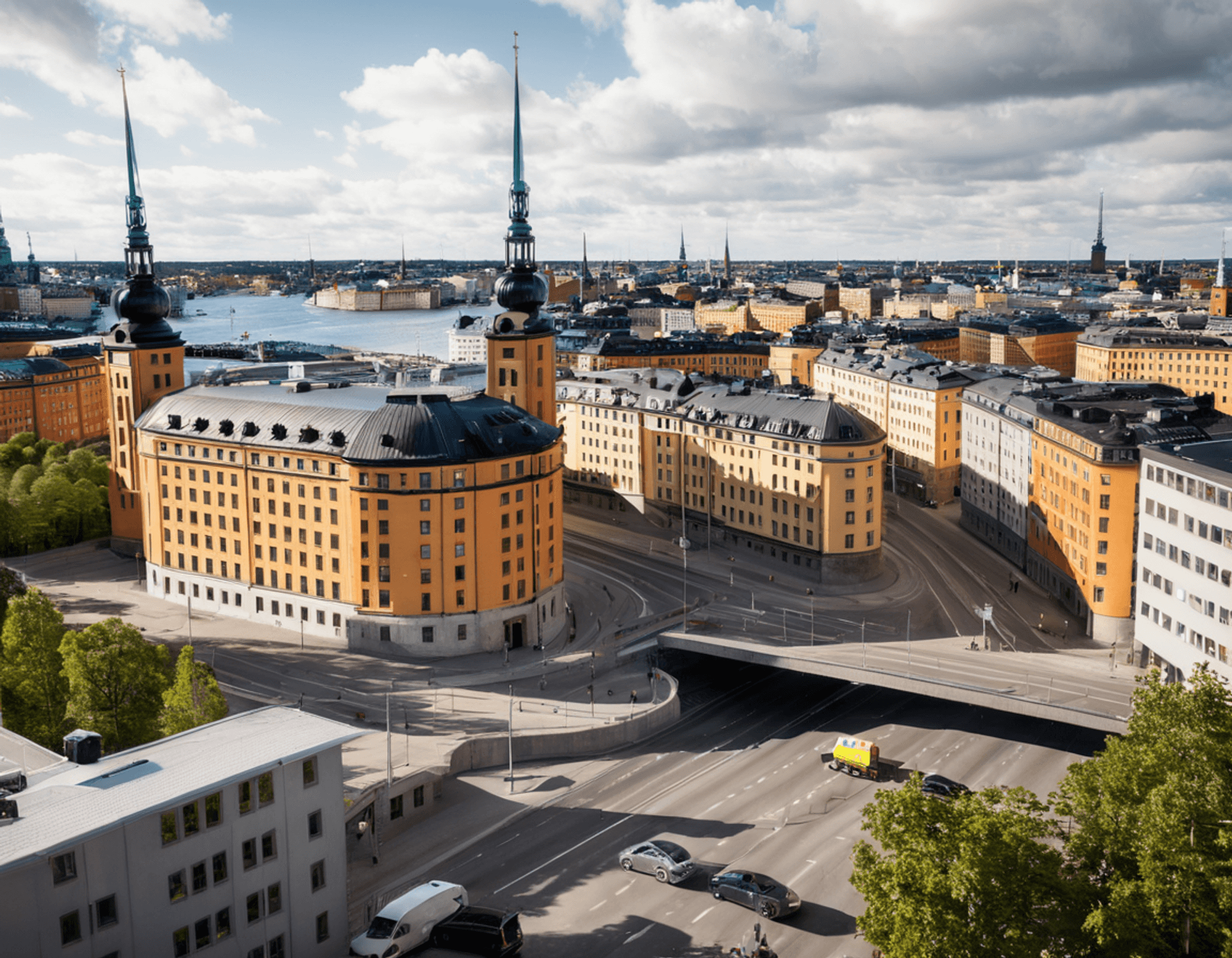
The Swedish housing market is currently experiencing a period of significant transition and renewed energy as we move through 2026. While recent statistics from Svensk Mäklarstatistik suggest an upward "recoil" in residential prices following years of stagnation, the administrative side of property development tells a much more frustrating story. For many residents and housing associations (Bostadsrättsföreningar) across Sweden, particularly those navigating the complexities of Stockholm's urban landscape, the dream of renovation or expansion is being met with bureaucratic walls. A recent report in Dagens Nyheter has highlighted a growing crisis: extremely poor ratings for building permit processing (bygglovshantering) in Stockholm, where some associations have been left waiting for over nine months just to receive an answer on their applications.
For the expat community living in Sweden, understanding these systemic delays is crucial. Whether you are looking to purchase property or managing a communal housing association, the efficiency of local municipalities (kommuner) dictates much more than just construction timelines—it affects your investment value and quality of life. As we analyze this bottleneck, it becomes clear that while market demand for homes is rising, the administrative infrastructure required to support new developments and renovations is struggling to keep pace with 2026's economic reality.
The Growing Bottleneck in Stockholm’s Building Permits
The recent headlines regarding Stockholm's building permit processing have sent shockwaves through the real estate sector. For a housing association (BRF), waiting nine months for a decision on a simple structural modification or an expansion is not merely an inconvenience; it represents a massive financial and logistical burden. This delay impacts everything from contractor scheduling to the long-scale planning of communal funds within the Swedish cooperative model.
Understanding the Impact on Housing Associations
In Sweden, many people live in bostadsrätt, where you own a share in a housing association rather than just an individual apartment. These associations are responsible for the upkeep and structural integrity of the building. When a "förening" (association) needs to perform essential maintenance or upgrades—such as adding balconies or changing roof structures—they must navigate the municipal planning department.
The current delay, reported by Dagens Nyheter, shows that even when funds are allocated and plans are ready, the administrative vacuum in Stockholm prevents progress. This creates a "stagnation trap" where property values may rise due to market trends (as seen in recent March price increases), but the physical quality of the buildings cannot be improved because permits remain stuck in processing queues.
The Cost of Bureaucratic Inertia
Time is money in the Swedish construction industry. When an application sits for nine months, inflation and rising material costs can turn a profitable renovation into a financial disaster for a housing association. Furthermore, it complicates "Bofrid" related discussions regarding property value optimization; if you cannot legally certify or complete improvements, your ability to leverage that home's equity is diminished.
The inefficiency in Stockholm doesn’t just affect large-scale developers but also the individual homeowner trying to adhere to Swedish building regulations (Plan- och bygglagen). The lack of predictability makes it nearly impossible for homeowners and associations to plan their budgets effectively within a single fiscal year, leading to unexpected "extraordinary" levies (extra avgifter) for members.
Market Trends: Rising Prices vs. Stagnant Infrastructure
It is fascinating to observe the dichotomy in the 2026 Swedish housing market. On one hand, we see an unprecedented boom in activity on major property portals like Hemnet. Recent data from April indicates that there has been a massive surge in new listings—the largest increase seen in over a decade. This suggests a "positive atmosphere" among sellers and buyers alike, driven by the stabilization of mortgage rules and changing economic sentiment.
The Surge in Property Listings
According to recent reports from SVT Nyheter, real estate agents are observing much higher levels of activity following shifts in lending regulations. For expats looking at the Swedish market, this indicates a window of opportunity where more inventory is available than we have seen for years. This "annonsboom" (ad boom) provides more choice and potentially better negotiation leverage for buyers who were previously sidelined by low supply.
The Divergence Between Supply and Regulation
The "recoil" in prices mentioned by Hans Flink at Svensk Mäklarstatistik suggests a healthy market recovery. Yet, if the supply side (new constructions and renovations) cannot be unlocked due to permit delays, we risk an artificial inflation of prices for existing stock only. This creates a precarious environment where older buildings remain "stuck" in their current state because they lack the legal permission to modernize.
For those navigating property investments through platforms like Bostadsmerit, this divergence is a key metric to watch. An investor must look beyond just the price per square meter and consider the regulatory health of the specific municipality (kommun) where the property resides. A low-priced apartment in an area with high permit delays might actually be more expensive in terms of "opportunity cost" than one in a more efficient district.
Navigating Swedish Property Regulations as an Expat
Moving to Sweden involves learning a new vocabulary and a complex set of legal frameworks regarding how you can use your home. The concept of bygglov (building permit) is central to property ownership here, especially if you are looking at detached houses or managing communal spaces in larger complexes. Understanding the role of the municipality (kommun) versus national law is vital for long-scale planning.
Essential Terminology for Residents
To navigate this landscape, one must be familiar with several Swedish concepts:
- Bygglov: The formal permission required from a local authority to carry out construction or changes that affect the appearance or structure of a building.
- Detaljplan: A detailed plan created by the municipality that dictates exactly what can be built on specific plots of land, including height limits and usage types.
- Bostadsrättsförening (BRF): The housing cooperative model common in Sweden, where collective decision-making governs property changes.
For an expat, understanding these terms is not just about language; it's about protecting your investment. When you see news regarding "poor ratings" for permit handling, know that this refers to the kommun's ability to uphold its part of the social contract—providing predictable regulatory environments for residents.
The Role of Local Municipalities (Kommuner)
In Sweden, much power is decentralized. While national laws provide a framework, each municipality has significant autonomy over their local planning (planmonopol). This means that while you might find great news about housing developments in Gällivare or Piteå—such as the new collaborative projects near Dundret aimed at supporting mining entrepreneurs—the experience in Stockholm can be vastly different.
The disparity between a growing,-developing northern region (focused on industrial expansion and tourism) and an administratively clogged Stockholm highlights why "location" must include "regulatory efficiency." If you are planning to settle long-term, researching the kommun's track record for building permits is just as important as checking the local school ratings.
The Risks of Unregulated Development and Fraud
As we navigate a market with high demand and significant price movement in 2026, it is also essential to remain vigilant against predatory practices within the housing sector. While most transactions are transparent, recent news has highlighted cases where individuals have manipulated building processes or association funds for personal gain. A notable case reported by TV4 involved a developer who defrauded even close relatives through manipulative construction dealings.
Protecting Your Investment in BRFs
For those living in bostadsrätt, the integrity of your board (styrelse) is paramount. The financial health of an association depends on transparent management and adherence to legal protocols during renovations. When permit delays occur, it can sometimes create "grey areas" where unapproved work might be tempted by unscrupulous contractors looking to bypass long queues—a practice that can lead to massive fines or even orders for demolition later on.
As a resident or investor using resources like Bostadsmerities insights, always ensure that any major works being performed in your building have documented bygglov. The "manipulation" mentioned in recent news often occurs under the guise of necessary maintenance, making it difficult for laypeople to detect without professional oversight.
Transparency and Professional Oversight
The rise in property advertising means more people are entering the market than ever before. This influx requires a higher standard of due diligence. Whether you are reviewing an annual report (årsredovisning) from your housing association or evaluating a new development, look for:
- Clear documentation regarding all recent construction permits.
- Audited financial statements that show no unexplained "maintenance" spikes.
- Transparent communication between the board and the residents (medlemmar).
In 2026, with property prices on an upward trajectory, the incentive for fraudulent activity increases alongside the value of the assets being manipulated. Staying informed through reputable news sources is your first line of defense.
Future Outlook: Can Sweden Fix Its Planning Crisis?
The tension between a booming real estate market and a stagnant administrative system poses a significant challenge to Sweden's long-term housing goals. While we see positive indicators like increased listings on Hemnet and new development opportunities in the north (such as the Piteå/Gällivare expansions), the "Stockholm problem" remains a systemic threat to urban stability.
Potential Solutions for Permit Processing
To resolve the crisis, experts suggest several paths forward: one is the digitization of the application process across all kommuner, reducing human error and manual bottlenecks. Another involves increasing the staffing levels within municipal planning departments in high-density areas like Stockholm to match the pace of market demand seen today.
What This Means for Homeowners in 202/
For you, as a resident or potential buyer, the message is clear: Value is currently being driven by demand rather than supply. While it's an excellent time to find more listings and benefit from recent price corrections, do not assume that any property can be easily renovated.
When evaluating your next move in Sweden, look at the broader context of the municipality’s development plans. A market where buyers are "ready" but permits are "stuck" is a market characterized by high-value assets with low liquidity for improvements. Use this information to strategically position yourself within the Swedish housing landscape.
Vanliga frågor (FAQ)
How long should I expect it to take to get building permits in Stockholm? Currently, there is no single standard answer due to recent delays reported in news outlets like Dagens Nyheter; some associations have faced waits exceeding nine months. It is highly recommended to check the specific municipality's current processing times before starting any major renovation project.
Does a rise in housing prices mean it's a good time to sell? Recent statistics from March 2026 show an upward "recoil" in Swedish house prices after years of stagnation, and with more listings appearing on sites like Hemnet, there is increased liquidity in the market. However, you should also consider local demand and your specific property's condition.
What is a 'Bostadsrättsförening' (BRF) and why does it matter for renovations? A BRF is a housing cooperative where members hold rights to an apartment within a larger building owned by the association. Because the association owns the structure, any major renovation that affects the exterior or structural integrity requires both board approval and municipal bygglov.
Is there more supply available in the Swedish market right now? Yes, recent data from April 2026 indicates an "annonsboom" (ad boom) with a significant increase in listings on platforms like Hemnet—the largest growth seen in ten years. This suggests that while prices are rising, buyers currently have more options than they did during the period of stagnation.
How can I protect myself from fraud when buying or managing property? Always conduct thorough due diligence by reviewing official municipal records for building permits and checking the audited financial statements (årsredovisning) of any housing association you are joining. Stay updated on news regarding local developer's reputations to avoid risks associated with manipulative practices in construction.